🚀 New Things in SEO: The 2026 Guide Every Marketer Must Read
February 17, 2026
2026 for SEO
Search Engine Optimization (SEO) continues to evolve rapidly — and in 2026, it’s no longer just about keywords and backlinks. Today’s SEO landscape blends artificial intelligence, user experience (UX), mobile-first indexing, privacy-centric analytics, and multimodal search (text, voice, and visuals).
In this deep dive, we’ll explore the biggest trends shaping SEO in 2026, actionable strategies that still work, technologies you must adapt to, and predictions for the future of search.
🔍 The Foundations of SEO in 2026
SEO fundamentals haven’t disappeared — they’ve expanded.

What Still Matters
- Content quality and relevance — Context beats keywords. Content must satisfy user intent more precisely than ever.
- Backlinks — Trust signals are still vital, but quality > quantity.
- Semantic relevance — Search engines understand meaning, not just matching phrases.
- User engagement metrics — Time on site, bounce rates, page depth, and click paths influence rankings.
Evolved Priorities
SEO in 2026 is layered with AI understanding, UX signals, and multimodal interpretation. Gone are the days where keyword density alone could “trick” the algorithms.
🧠 AI & Machine Learning: The SEO Game-Changer
Artificial Intelligence now shapes every part of search:
How AI Is Used by Search Engines
- Contextual understanding: Search engines now view content like a human — interpreting meaning, sentiment, and utility.
- Personalization: Results are tailored to user history, location, device, and behavior.
- Predictive ranking: Algorithms anticipate user needs before they finish typing.
What This Means for Your SEO
- Content needs to satisfy real user questions, not just include keywords.
- Topic clusters and structured content outperform isolated pages.
- AI can help — but human editing ensures quality.
🧠 Pro Tip: AI tools can generate drafts, outline strategies, and assist keyword research — but content must be reviewed and enriched by humans to avoid generic, shallow output.
🔓 Privacy & Analytics Without Cookies
Big changes in tracking and analytics have a huge SEO implication.
Why It Matters
With browsers phasing out third-party cookies and privacy laws tightening globally, traditional user tracking is limited. That means:
- Less invasive analytics tools are essential.
- First-party data (your own site data) is more valuable.
- Search trends and behavior modeling are now privacy-aware.
What You Should Do
- Set up first-party tracking with tools like privacy-forward analytics.
- Use consent management platforms to balance compliance with data insight.
- Focus on aggregated trend analysis, not individual user tracking.
📱 Mobile & Multimodal Search Dominance
More than 70% of searches are now mobile — and 2026 pushes beyond typing.

Key Search Modes in 2026
- Voice Search — Natural language queries from smart assistants.
- Visual Search — Users search with images instead of text.
- Augmented Reality (AR) Search — Shoppers point cameras to find info, products, and reviews.
Optimizing for Multimodal Search
- Structured data (Schema.org) becomes critical.
- Image SEO (alt text, descriptive filenames, optimized metadata).
- Natural language content that mirrors conversational queries.
📣 Tip: Write content that answers actual questions the way humans ask them — especially in voice and chat contexts.
🧱 Core Web Vitals & UX: SEO Meets Performance
User Experience isn’t separate from SEO — it is SEO now.

Core Web Vitals You Must Optimize
- Largest Contentful Paint (LCP): How fast your main content loads.
- First Input Delay (FID): How responsive your site feels.
- Cumulative Layout Shift (CLS): Visual stability while loading.
UX Signals That Drive Rankings
- Page layout
- Readability and typography
- Navigation simplicity
- Accessibility features
💡 Example: A site that loads instantly, with clear headings and fast navigation, retains users longer — which signals quality to search engines and improves rankings.
⚙️ Structured Data & Rich Results
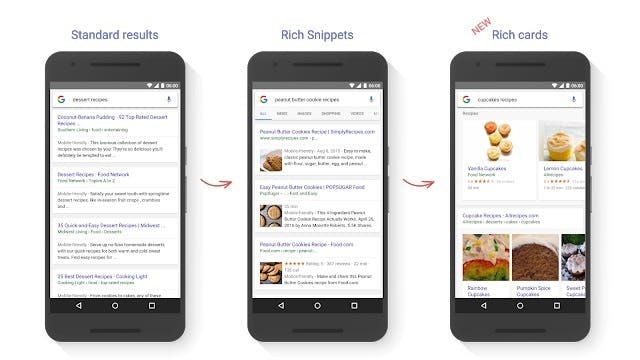
Search engines use structured data to understand your content and deliver rich results.
Why It’s Vital in 2026
- Enhances visibility in search results with rich snippets.
- Boosts CTR (click-through rates) by making your page stand out.
- Supports voice and visual search better.
Common Schema Types to Use
- Article
- FAQ
- Product
- Breadcrumb
- Organization
- VideoObject
- HowTo
👉 Structured data tells search engines exactly what your content is about — which improves chances for enhanced listings like featured snippets.
📊 Content Strategy That Works in 2026
Content is still king — but strategy now includes AI, UX, and intent matching.
From Keywords to Intent
Understanding why someone searches — instead of just what they type — is central.
- Create pillar pages for major topics.
- Build cluster content that supports and links back to pillars.
- Align content with search intent (informational, transactional, navigational).
Content Types That Rank Well
- Long-form evergreen articles
- Interactive guides
- Tool pages (calculators, widgets)
- Video & visual content
- FAQs and knowledge hubs
💬 Example: A pillar page on “SEO in 2026” with linked cluster pages on AI, mobile, and AR search will signal authority on the subject.
🤖 AI Tools for SEO: How to Use Them Wisely
AI tools are everywhere — but smart usage matters.

What AI Can Do
- Content ideation
- Topic research
- Technical SEO audits
- Content optimization suggestions
- Performance forecasting
What AI Shouldn’t Do
- Publish unreviewed content
- Replace human editorial judgment
- Ignore brand voice and accuracy
✔️ Best Practice: Use AI to augment your SEO work, not replace it. Always human-edit and fact-check.
📌 Local SEO in 2026
Local search is stronger than ever for businesses with a physical presence.
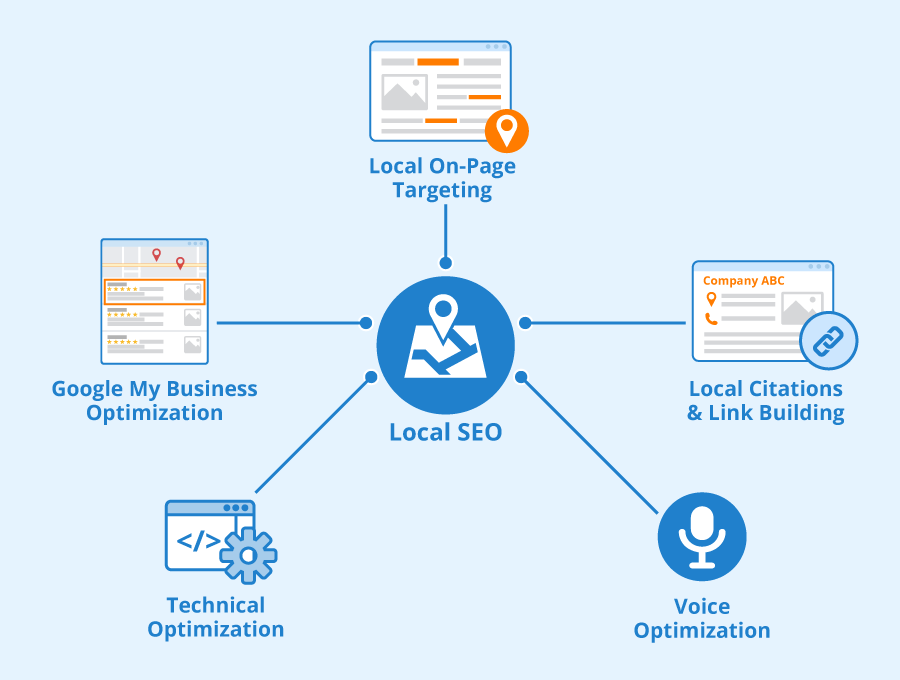
What Matters Now
- Accurate business listings
- Localized content
- Reviews and reputation management
- Voice search readiness
Local search is increasingly visual and conversational, so local businesses must optimize for nearby searches, voice queries, and map integrations (in platforms that support them).
📉 Common SEO Mistakes in 2026
Avoid these pitfalls:
- Ignoring user intent
- Over-relying on outdated tactics (keyword stuffing, link farms)
- Neglecting Core Web Vitals
- Using AI without human oversight
- Failing to use structured data
Each mistake lowers rankings and user trust — and in 2026, search engines penalize poor UX more aggressively.
🧩 SEO Tools You Should Be Using
Here are the kinds of tools that matter most in 2026:
🔹 AI-powered research platforms
🔹 Privacy-compliant analytics tools
🔹 Rank trackers with intent insights
🔹 Site audit and performance tools
🔹 Content optimization platforms with semantic analysis
A diverse toolset helps you see both the technical and strategic picture.
🏁 Final Thoughts: The Future of SEO
SEO in 2026 is multidimensional. It’s not just technical tweaks and keywords — it’s understanding human behavior, leveraging AI ethically, optimizing for all modalities (text, voice, visual), and delivering genuine value.
Here’s the bottom line:
- Deliver meaningful content that answers real questions.
- Make your site fast, accessible, and easy to use.
- Use AI to accelerate insights — not to replace thinking.
- Think beyond text: optimize for visuals and voice.
- Stay agile — search changes fast, and adaptability wins.